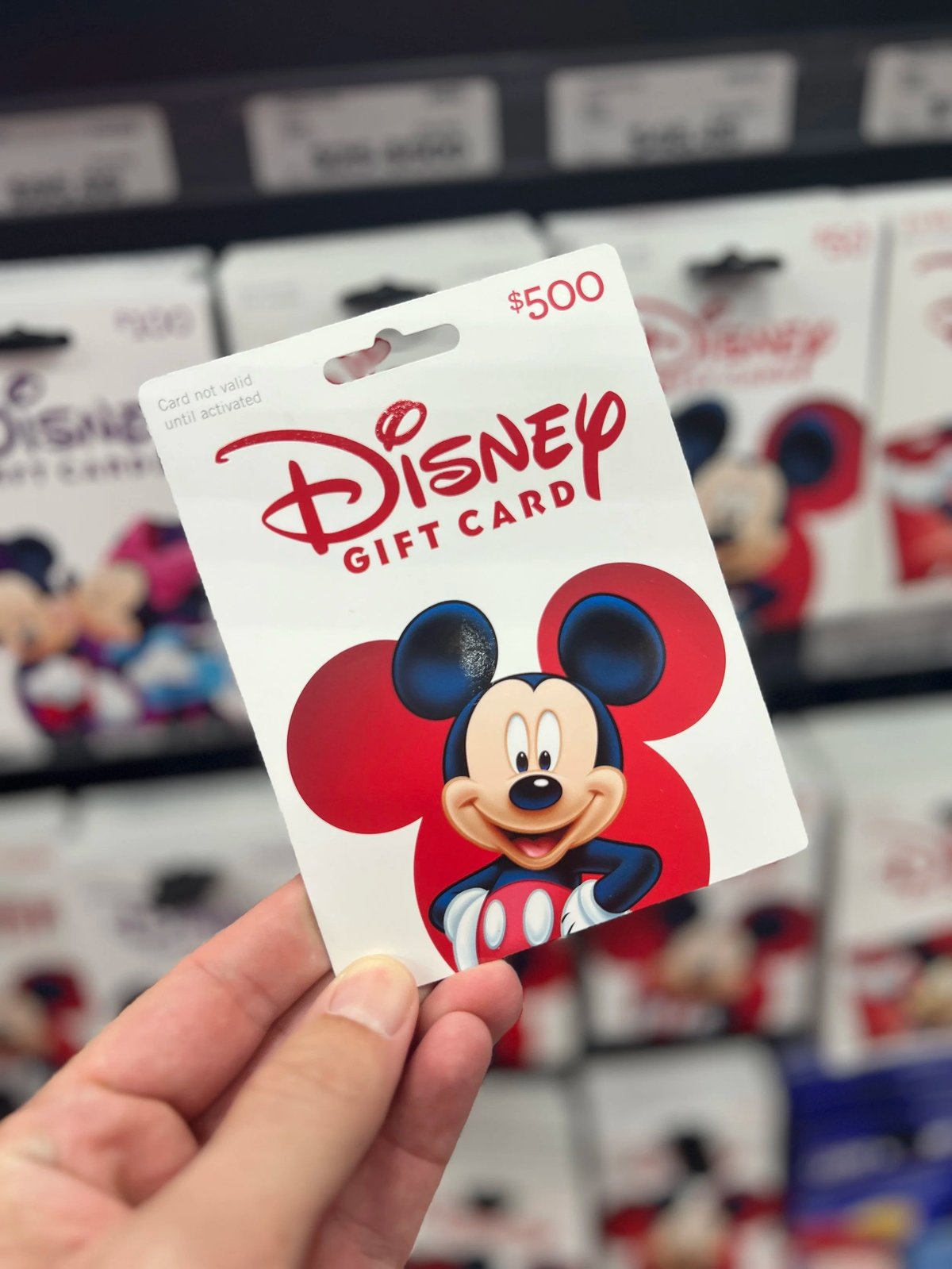
There's a special kind of magic that comes with a Disney vacation, and for many, that magic starts long before you step foot in the parks—often with the delightful jingle of a Disney Gift Card. Whether you're planning a trip, gifting a memorable experience, or managing your own budget for souvenirs and snacks, these cards are powerful tools. But like any valuable asset, they demand a thoughtful approach to management to ensure their security and maximize their utility. This guide dives deep into the Security and Best Practices for Disney Gift Card Management, transforming potential headaches into seamless joy.
At a Glance: Safeguarding Your Disney Gift Cards
- Treat them like cash: Once lost or stolen, digital or physical gift cards are often irrecoverable.
- Digital is often safer: Centralize your card information in secure, encrypted systems.
- Backup everything: Keep multiple copies of card numbers and PINs in diverse, secure locations.
- Lock it down: Use multi-factor authentication (MFA) on any platform storing card data.
- Control who sees what: Restrict access to gift card details, especially for high-value cards.
- Have a recovery plan: Know exactly who to call and what steps to take if a card goes missing or an account is compromised.
- Spend smart: Don't leave high balances unused for long periods.
- Combine for convenience: Consolidate smaller balances onto one card to simplify management and reduce risk.
The Unique Vulnerabilities of Disney Gift Cards
Disney Gift Cards are incredibly versatile, accepted across Disney destinations, resorts, parks, shops, cruises, and even online at shopDisney.com. This wide acceptance, combined with their non-reloadable, cash-equivalent nature, makes them a prime target for theft or accidental loss. Unlike credit cards, gift cards often lack robust fraud protection, and recovering funds from a lost or stolen card can be challenging, if not impossible, without proper prior planning. Digital cards, while convenient, introduce new vectors for compromise through insecure storage or unmanaged access.
The goal isn't just to keep your gift cards safe, but to keep them accessible to you when you need them, without fear of compromise. This requires a systematic approach that blends digital security with practical, everyday management.
Digital Storage Fundamentals: Your Central Command Center
The first step in robust Disney Gift Card management is establishing a secure, centralized system for storing their details. This means moving beyond sticky notes and scattered emails.
Cloud-Based Solutions: Secure, Synchronized, and Smart
For most people, cloud-based solutions offer the ideal balance of security, accessibility, and convenience. Think of these as your secure digital vault.
- Automatic Synchronization: Your card details are updated across all your devices, ensuring you always have the latest information.
- Encrypted Backups: Data is encrypted both in transit and at rest, protecting it from prying eyes. Reputable cloud services employ strong cryptographic protocols.
- Protection Against Local Failure: If your phone is lost or your computer crashes, your gift card data remains safe and accessible from another device.
- Search and Categorization: Organize your Disney Gift Cards by value, recipient, purpose (e.g., "vacation fund," "souvenirs"), or expiration date (though Disney Gift Cards generally don't expire, it's good practice for other cards).
- Expiration Tracking: While Disney Gift Cards don't expire, some gift cards from other brands do. A good system should track these proactively.
Examples of Cloud Solutions: - Dedicated Password Managers: Services like LastPass, 1Password, or Bitwarden are designed for secure credential storage. They offer military-grade encryption, support MFA, and often have specific templates for storing financial information like gift card numbers and PINs.
- Encrypted Notes Apps: Apps like Evernote or OneNote (with password protection for specific sections) can work if you diligently apply strong passwords and encryption. However, they are generally less secure than dedicated password managers for financial data.
- Secure Cloud Storage with Encrypted Files: Platforms like Google Drive, Dropbox, or OneDrive can store encrypted documents (e.g., a password-protected spreadsheet). This requires you to manage the encryption yourself (e.g., using a tool like VeraCrypt to create an encrypted container).
When choosing a cloud solution, prioritize those that clearly state their encryption standards (e.g., AES-256), offer MFA, and have a strong reputation for data security.
Local Storage Alternatives: For the Ultra-Private
If you prefer absolute control over your data or manage a very low volume of cards, local storage can be an option.
- Password-Protected Spreadsheets: An Excel or Google Sheets document secured with a strong password. This offers a high degree of data control but requires vigilance.
- Offline Applications: Desktop-based password managers or encrypted note-taking software that doesn't sync to the cloud.
Considerations for Local Storage: - Manual Backups are Critical: Unlike cloud solutions, local data is vulnerable to hardware failure. You must regularly back up your files to external drives or other secure, offline locations.
- Physical Security: The device itself must be physically secure and password-protected.
- Accessibility: Data is only available on the device where it's stored, which can be inconvenient when you need card details on the go.
The choice between cloud and local hinges on your security preferences, technical comfort, and the volume of Disney Gift Cards you're managing. For most, the convenience and inherent security features of a reputable cloud-based password manager outweigh the perceived control of local storage.
Backup Strategy Essentials: Your Safety Net
Even the most secure primary storage can fail. A robust backup strategy is non-negotiable for Disney Gift Card management. Think of it as your insurance policy against digital disaster.
- Multiple Backup Copies: Don't put all your eggs in one basket. Store at least two backup copies of your gift card information in different physical or digital locations. For instance, if your primary is a cloud password manager, a backup could be an encrypted file on an external hard drive and a physical printout stored securely off-site.
- Automated Backup Schedules: Human error is the weakest link. Whenever you acquire a new Disney Gift Card or spend a portion of its balance, update your primary storage immediately. If your chosen solution has automated backup capabilities, enable them. Otherwise, establish a routine (e.g., weekly) to manually back up your data.
- Test Backup Restoration Procedures: A backup is useless if you can't access or restore it. Periodically, simulate a data loss scenario (e.g., try to restore a specific card number from a backup) to ensure your procedures work as expected. This also helps you remember the steps.
- Implement Version Control Systems: For complex spreadsheets or documents, version control allows you to track changes and revert to previous states. This is invaluable if you accidentally delete or alter information. Many cloud storage services (like Google Drive or Dropbox) offer built-in version history.
- Document Backup Locations and Access Procedures: Crucially, document where your backups are stored and how to access them. Keep this documentation separate from the backups themselves and store it securely. Consider sharing this information with a trusted individual in case of an emergency (e.g., using a sealed envelope stored with your will).
Security Layer Implementation: Fortifying Your Defenses
Beyond where you store your data, how you protect access to it is paramount. These security layers are standard practice for any sensitive digital information, and Disney Gift Cards are no exception.
Multi-Factor Authentication (MFA): Your Digital Bouncer
MFA adds a critical layer of protection beyond just a password. Even if a cybercriminal guesses or steals your primary credentials, they won't be able to access your gift card data without a second form of verification.
- Something You Know (Password): The foundation. Make it long, complex, and unique.
- Something You Have (Phone, Hardware Token): A code sent to your smartphone, an authenticator app (like Google Authenticator or Authy), or a physical security key (like a YubiKey).
- Something You Are (Biometrics): Fingerprint scans or facial recognition on your devices.
Always enable MFA on your password manager or any cloud service where you store Disney Gift Card information. This single step dramatically reduces your risk of unauthorized access.
Encryption Protocols: Scrambling the Secrets
Encryption turns your readable gift card numbers and PINs into an unreadable code, protecting them during transmission and storage.
- Asymmetric Cryptography: This ensures that only authorized users (with the correct decryption key) can access sensitive information. When you store data in a reputable cloud service, this encryption is happening behind the scenes.
- Regular Encryption Key Updates: While mostly handled by your service provider, it’s a good reminder that encryption technology evolves. Using up-to-date software and services ensures you benefit from the latest security.
- Strong Password Policies: Your primary password for accessing your encrypted data is your ultimate key. Make it robust and unique to prevent brute-force attacks.
Ensure any service you use to store gift card data clearly outlines its encryption standards and practices. If you're using local storage, consider encrypting the entire drive or specific folders containing your gift card data.
Access Control Methods: Who Sees What, When
If you manage Disney Gift Cards for a family, a group trip, or as part of a larger gift-giving strategy, controlling who can access them and under what circumstances becomes vital.
- User Permission Levels: For shared accounts or family groups using a password manager, implement permissions. For instance, a primary account holder might have full access, while a spouse has read-only access to certain gift card balances, and children have no direct access to card numbers, only awareness of available funds.
- Separate Storage Categories: Organize your Disney Gift Cards logically. Create distinct categories for different card types (physical vs. digital), values (high vs. low), and recipients. This reduces the risk of accidentally using the wrong card or exposing unnecessary information. You might have categories like "Family Vacation Fund," "Kids' Spending Money," or "Unallocated Gift Balance." You can also make it easier to combine Disney Gift Cards into specific categories.
- Time-Based Access Controls: While more common in corporate settings, you can apply similar logic. If you're logging into an account that holds gift card details, automatically log out after a period of inactivity. Avoid staying logged in on shared or public devices.
- Notification Systems: Configure alerts if your storage solution or email provider offers them. For example, some password managers can notify you of unusual login attempts or changes to sensitive entries. Similarly, if a gift card issuer offers a balance tracking system, consider signing up for balance change alerts.
- Approval Workflows for High-Value Transactions: For very high-value Disney Gift Cards, especially those used for large purchases (e.g., resort stays), consider a "two-person rule." This might involve one person verifying the card number and PIN, and another confirming the transaction, adding a layer of verification before a significant amount is spent.
Proactive Recovery Planning: When Things Go Wrong
Even with the best security, things can go awry. A comprehensive recovery plan is your roadmap back to peace of mind if a Disney Gift Card is lost, stolen, or your access to its details is compromised.
Your recovery plan should address several scenarios:
- Device Theft/Loss: What if your phone or computer, containing your gift card details, goes missing?
- Account Lockouts/Forgotten Passwords: How do you regain access to your password manager or cloud storage?
- Service Provider Outages: What if your chosen storage solution is temporarily unavailable?
Essential Components of a Recovery Plan:
- Detailed Contact Information: Keep a secure, offline list of essential contacts:
- Disney Gift Card Services: For lost or stolen cards (often 1-877-650-4327, but always verify current numbers).
- Your password manager's support: For account recovery.
- Your email provider's support: For email account recovery (critical for MFA and password resets).
- Account Recovery Procedures: Document the specific steps for regaining access to your key accounts (password manager, email, Disney account). This might include recovery codes, security questions, or trusted contacts. Store these securely and separately.
- Alternative Access Methods: If your primary storage system is inaccessible, how else can you get your gift card numbers? This is where your multiple backups (e.g., an encrypted file on an external drive, a secure physical printout) become crucial.
- Regular Plan Testing: Don't let your recovery plan gather dust. Periodically review and test parts of it. Can you still log into your backup storage? Are the contact numbers current? This ensures your plan is effective when you actually need it.
Everyday Best Practices for Disney Gift Card Management
Beyond the technical security, how you handle your Disney Gift Cards in day-to-day life greatly impacts their safety and usability.
Tracking and Monitoring
- Current Balance Records: Keep an up-to-date record of each card's balance. While DisneyGiftCard.com allows you to check balances, having your own record provides a quick reference and helps flag discrepancies.
- Receipts: Retain receipts for purchases made with Disney Gift Cards, especially large ones. These can be vital for disputing unauthorized charges or resolving issues.
- Transaction History (if available): If you register your gift cards on DisneyGiftCard.com, you might be able to view limited transaction history, which can help in tracking spending.
Combining Disney Gift Cards
This is a powerful strategy for simplifying management and reducing risk. Instead of juggling multiple cards with small balances, you can consolidate up to $1,000 onto a single Disney Gift Card. This reduces the number of cards you need to track and secure. For a detailed walkthrough on how to streamline your collection, check out our guide on how to Combine Your Disney Gift Cards. Consolidating also means fewer opportunities for individual cards to get lost or forgotten.
Physical Card Best Practices
Even in a digital age, physical cards persist.
- Take a Photo: Before using a physical card, take clear photos of both the front (card number) and back (PIN). Store these securely in your digital vault.
- Keep Receipts: When buying a physical card, keep the purchase receipt. It often contains the full card number and can be essential for recovery.
- Use the PIN: Always scratch off the PIN and record it digitally. Without it, online purchases or balance checks are difficult.
- Protect the Card: Treat it like cash. Don't leave it visible in your car, wallet, or bag. Only carry the cards you intend to use.
When to "Zero Out" a Card
Once a Disney Gift Card has a very small balance, it's often best to "zero it out" by spending the remainder. This prevents you from having to track many cards with negligible amounts and avoids losing small sums that might be hard to spend later. You can often use these small balances for coffee, a single souvenir, or combine them if eligible.
Common Questions and Misconceptions
"Do Disney Gift Cards expire?"
No, Disney Gift Cards generally do not expire and have no dormancy fees. This makes them a great long-term savings tool, but it doesn't reduce the need for secure management.
"Can I replace a lost or stolen Disney Gift Card?"
It's difficult, but sometimes possible, if you have proof of purchase and the full card number and PIN. This is why meticulous record-keeping is crucial. Without those details, recovery is unlikely. Immediately report any lost or stolen cards to Disney Gift Card Services.
"Is it safe to store my Disney Gift Card details on my phone?"
Yes, if you use a secure, encrypted password manager with MFA enabled. Storing them in a plain notes app or as unencrypted photos in your gallery is not secure. Your phone itself should also be password-protected with biometrics.
"What if I scratch off the PIN too hard and can't read it?"
If the PIN is unreadable, you'll need the original purchase receipt and may have to contact Disney Gift Card Services for assistance. This highlights the importance of taking a clear photo of the card before scratching the PIN.
"Can I register my Disney Gift Cards like a credit card?"
DisneyGiftCard.com allows you to manage and check balances, and in some cases, track basic activity, but it's not a full "registration" in the sense of a credit card's fraud protection. The primary responsibility for security still rests with you.
Moving Forward with Confidence: Your Secure Disney Journey
Managing your Disney Gift Cards effectively isn't about being overly paranoid; it's about being prepared and proactive. By implementing secure digital storage, robust backup strategies, strong access controls, and a solid recovery plan, you transform what could be a point of stress into a seamless part of your Disney experience.
Your goal is to ensure that every dollar on every Disney Gift Card is ready and waiting for you when you choose to use it, bringing a little more magic to your next adventure. With these best practices in place, you’re not just managing gift cards—you're safeguarding future memories.